




Οδηγοί & Συμβουλές
The Science of Better Sleep: Evidence-Based Strategies for Quality Rest
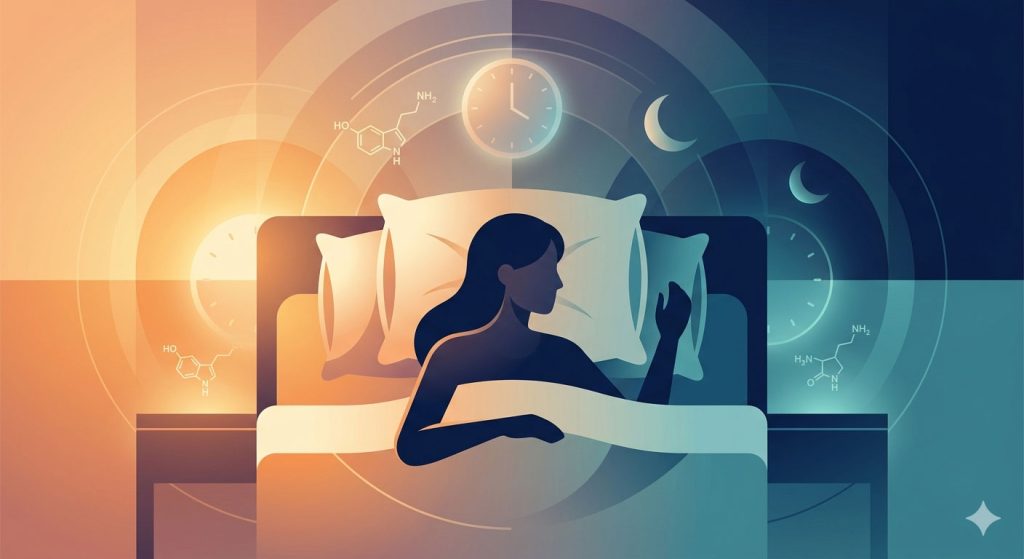
A Comprehensive Guide to Optimizing Your Sleep for Health and Performance
Executive Summary
Sleep is a fundamental biological process that affects nearly every aspect of human health, from cognitive function and emotional regulation to immune response and metabolic health. Despite its importance, the Centers for Disease Control and Prevention (CDC) reports that one in three adults does not get enough sleep. This guide synthesizes current scientific research to provide actionable strategies for improving sleep quality.
Key Takeaways:
- Adults need 7-9 hours of quality sleep per night for optimal health
- Consistent sleep schedules strengthen circadian rhythms
- Temperature, light, and sound significantly impact sleep architecture
- Pre-sleep routines can reduce sleep onset latency by 30-50%
- Technology use before bed disrupts melatonin production
Table of Contents
- Understanding Sleep Architecture
- The Circadian Rhythm System
- Sleep Requirements Across the Lifespan
- Environmental Optimization
- Sleep Hygiene Fundamentals
- Nutrition and Sleep
- Exercise and Sleep Quality
- Technology and Sleep
- Common Sleep Disorders
- Natural Sleep Aids and Supplements
- Sleep Tracking and Monitoring
- Creating Your Personalized Sleep Plan
- Frequently Asked Questions
Understanding Sleep Architecture
The Four Stages of Sleep
Sleep is not a uniform state but rather a complex cycle of distinct stages, each serving specific physiological functions.
Stage 1: Light Sleep (N1)
- Duration: 5-10 minutes
- Transition between wakefulness and sleep
- Muscle activity slows
- Easily awakened
- Accounts for approximately 5% of total sleep
Stage 2: Intermediate Sleep (N2)
- Duration: 20-30 minutes per cycle
- Heart rate slows, body temperature drops
- Brain waves slow with occasional bursts (sleep spindles)
- Memory consolidation begins
- Accounts for approximately 45-55% of total sleep
Stage 3: Deep Sleep (N3 – Slow Wave Sleep)
- Duration: 20-40 minutes per cycle
- Hardest to wake from
- Tissue repair and growth hormone release
- Immune system strengthening
- Physical restoration
- Accounts for approximately 15-25% of total sleep
Stage 4: REM Sleep (Rapid Eye Movement)
- Duration: 10-60 minutes per cycle
- Brain activity similar to waking state
- Dreams occur
- Memory consolidation and emotional processing
- Learning and cognitive function
- Accounts for approximately 20-25% of total sleep
The Sleep Cycle
A complete sleep cycle lasts approximately 90-120 minutes. A typical night includes 4-6 complete cycles.
Cycle Progression:
- N1 → N2 → N3 → N2 → REM
- Each subsequent cycle has less deep sleep and more REM
- Early cycles contain more restorative deep sleep
- Later cycles contain more REM sleep for cognitive processing
Why This Matters:
Disrupted sleep cycles prevent the brain from completing necessary restorative processes. Waking during deep sleep causes grogginess (sleep inertia), while missing REM sleep impairs memory and emotional regulation.
The Circadian Rhythm System
What Is Circadian Rhythm?
Circadian rhythms are 24-hour internal clocks that regulate sleep-wake cycles, hormone release, body temperature, and other physiological processes. The master clock, located in the suprachiasmatic nucleus (SCN) of the hypothalamus, coordinates these rhythms.
Key Hormones in Sleep Regulation
Melatonin
- Produced by the pineal gland
- Released in response to darkness
- Signals the body to prepare for sleep
- Levels rise 2-4 hours before natural sleep time
- Suppressed by blue light exposure
Cortisol
- Released by adrenal glands
- Promotes alertness and energy
- Levels peak in the morning (cortisol awakening response)
- Should decrease throughout the day
- Disrupted by irregular sleep schedules and stress
Adenosine
- Builds up during wakefulness
- Creates “sleep pressure”
- Cleared during sleep
- Blocked by caffeine
Chronotypes: Understanding Your Natural Rhythm
Research identifies distinct chronotypes based on individual circadian preferences:
| Chronotype | Characteristics | Percentage |
|---|---|---|
| Morning Lark | Naturally wakes early, peaks in morning | 10-15% |
| Night Owl | Naturally sleeps late, peaks in evening | 15-20% |
| Intermediate | Flexible, adapts to schedules | 60-70% |
Optimizing for Your Chronotype:
- Morning larks should schedule demanding tasks early
- Night owls should delay important decisions until later
- Both types benefit from consistent schedules
Social Jet Lag
When work or social schedules conflict with natural circadian rhythms, “social jet lag” occurs. This misalignment is associated with:
- Increased risk of obesity and diabetes
- Cardiovascular problems
- Mood disorders
- Reduced cognitive performance
Solutions:
- Gradually shift sleep times (15 minutes per day)
- Use light exposure strategically
- Maintain consistent schedules on weekends
Sleep Requirements Across the Lifespan
Age-Based Sleep Recommendations
The National Sleep Foundation provides evidence-based sleep duration recommendations:
| Age Group | Recommended Hours | May Be Appropriate |
|---|---|---|
| Newborns (0-3 months) | 14-17 hours | 11-19 hours |
| Infants (4-11 months) | 12-15 hours | 10-18 hours |
| Toddlers (1-2 years) | 11-14 hours | 9-16 hours |
| Preschoolers (3-5 years) | 10-13 hours | 8-14 hours |
| School-age (6-13 years) | 9-11 hours | 7-12 hours |
| Teenagers (14-17 years) | 8-10 hours | 7-11 hours |
| Young adults (18-25 years) | 7-9 hours | 6-11 hours |
| Adults (26-64 years) | 7-9 hours | 6-10 hours |
| Older adults (65+ years) | 7-8 hours | 5-9 hours |
Quality vs. Quantity
Sleep duration alone does not guarantee restorative rest. Quality indicators include:
- Sleep Efficiency: Time asleep divided by time in bed (target: >85%)
- Sleep Latency: Time to fall asleep (target: 10-20 minutes)
- Wake After Sleep Onset (WASO): Time awake during sleep (target: <20 minutes)
- Sleep Continuity: Uninterrupted sleep periods
Environmental Optimization
Temperature Control
Body temperature naturally drops during sleep initiation and rises before waking. Optimal sleep temperature supports this process.
Recommended Bedroom Temperature: 60-67°F (15-19°C)
Temperature Optimization Strategies:
- Use breathable bedding materials
- Consider cooling mattress pads
- Take a warm bath 1-2 hours before bed (induces temperature drop)
- Keep feet warm with socks if cold
Light Management
Light is the primary zeitgeber (time-giver) for circadian rhythms.
Morning Light Exposure:
- Get 10-30 minutes of bright light within 1 hour of waking
- Open curtains immediately upon rising
- Consider a light therapy box (10,000 lux) in winter months
Evening Light Reduction:
- Dim lights 2-3 hours before bed
- Use warm-toned bulbs (2700K or lower) in evening
- Enable night mode on devices
- Consider blackout curtains for bedroom
Sound Environment
Optimal Conditions:
- Background noise level below 30 decibels
- Consistent, low-level white noise if needed
- Sudden noise elimination
Sound Solutions:
- White noise machines or apps
- Earplugs for noisy environments
- Heavy curtains to reduce external noise
- Carpet or rugs to absorb sound
Air Quality
Ventilation Requirements:
- CO2 levels below 1000 ppm
- Adequate oxygen for brain function
- Humidity between 30-50%
Air Quality Improvements:
- Open windows when possible
- Use air purifiers for allergies
- Add plants for natural air filtering
- Avoid strong scents before bed
Sleep Hygiene Fundamentals
The Foundation of Good Sleep
Sleep hygiene encompasses the habits and practices that promote consistent, quality sleep.
Consistent Sleep Schedule
The Golden Rule: Same time to bed, same time to rise, every day.
Benefits:
- Strengthens circadian rhythm
- Improves sleep quality
- Reduces sleep onset latency
- Enhances daytime alertness
Implementation:
- Set a realistic bedtime allowing 7-9 hours
- Wake at the same time even on weekends (limit variation to 1 hour)
- Use alarms for both bedtime and wake time initially
Pre-Sleep Routine
A consistent wind-down routine signals the body to prepare for sleep.
Recommended 60-90 Minute Routine:
| Time Before Bed | Activity |
|---|---|
| 90 minutes | Dim lights, reduce stimulation |
| 60 minutes | Stop work-related activities |
| 45 minutes | Light stretching or reading |
| 30 minutes | Screens off, relaxation techniques |
| 15 minutes | Bedroom preparation, hygiene |
Relaxation Techniques:
- Progressive Muscle Relaxation: Tense and release each muscle group
- 4-7-8 Breathing: Inhale 4 seconds, hold 7 seconds, exhale 8 seconds
- Body Scan Meditation: Focus attention progressively through body
- Journaling: Write thoughts to reduce rumination
Bedroom Environment
Reserve the Bedroom for Sleep:
- Remove work materials
- Avoid watching TV in bed
- Limit bedroom activities to sleep and intimacy
- Create a psychological association between bed and sleep
The 20-Minute Rule:
If unable to sleep after 20 minutes:
- Get out of bed
- Go to another room
- Engage in quiet, low-light activity
- Return to bed when sleepy
- Repeat if necessary
Nutrition and Sleep
Foods That Promote Sleep
Tryptophan-Rich Foods:
- Turkey, chicken, eggs
- Milk, cheese, yogurt
- Nuts and seeds
- Tofu and soy products
Complex Carbohydrates:
- Whole grains
- Sweet potatoes
- Oatmeal
- Brown rice
Magnesium-Rich Foods:
- Dark leafy greens
- Almonds, cashews
- Avocados
- Dark chocolate
Foods and Substances to Avoid
Caffeine:
- Half-life of 5-6 hours
- Avoid 6+ hours before bed
- Hidden sources: chocolate, some medications, energy drinks
- Individual sensitivity varies
Alcohol:
- May help fall asleep but disrupts sleep architecture
- Reduces REM sleep
- Causes fragmented sleep
- Increases bathroom trips
Heavy Meals:
- Digestion can interfere with sleep
- Allow 2-3 hours after large meals
- Light snacks acceptable if hungry
Spicy or Acidic Foods:
- May cause heartburn
- Can disrupt sleep quality
- Avoid 3+ hours before bed
Timing of Meals
Optimal Schedule:
- Largest meal earlier in the day
- Light dinner 3+ hours before bed
- Small snack if hungry (protein + complex carb)
- Limit fluids 1-2 hours before bed to reduce nighttime urination
Exercise and Sleep Quality
Benefits of Exercise for Sleep
Regular physical activity improves multiple aspects of sleep:
- Increased deep sleep duration
- Reduced sleep onset latency
- Improved sleep efficiency
- Decreased symptoms of insomnia and sleep apnea
- Enhanced daytime alertness
Exercise Timing
Morning/Afternoon Exercise:
- Supports circadian rhythm
- Boosts daytime alertness
- Allows adequate cool-down before sleep
- May improve deep sleep that night
Evening Exercise:
- Complete 1-2 hours before bed
- Allows body temperature to return to baseline
- Lower intensity preferred (yoga, stretching)
- High intensity may be stimulating for some
Exercise Types and Sleep
| Exercise Type | Sleep Benefit | Best Timing |
|---|---|---|
| Aerobic (cardio) | Increases deep sleep | Morning/afternoon |
| Resistance training | Improves sleep quality | Afternoon |
| Yoga/stretching | Promotes relaxation | Evening |
| High-intensity interval | May improve sleep | Earlier in day |
Technology and Sleep
The Blue Light Problem
Electronic devices emit blue light (450-495nm wavelength) that suppresses melatonin production more than other wavelengths.
Impact of Evening Screen Use:
- 50% reduction in melatonin production (2 hours of use)
- Delayed sleep onset by 30-60 minutes
- Reduced REM sleep duration
- Increased next-day fatigue
Digital Wellness Strategies
Device Settings:
- Enable night mode/blue light filter (automatically or manually)
- Reduce screen brightness in evening
- Use “do not disturb” mode 1-2 hours before bed
Behavioral Changes:
- Establish device-free time before bed
- Charge devices outside bedroom
- Use traditional alarm clock instead of phone
- Replace screen activities with reading or relaxation
Alternative Evening Activities:
- Reading physical books
- Gentle stretching or yoga
- Listening to podcasts or audiobooks
- Journaling or writing
- Conversation with family
Common Sleep Disorders
Insomnia
Definition: Difficulty falling asleep, staying asleep, or both, occurring at least 3 nights per week for 3+ months.
Types:
- Sleep onset insomnia: Difficulty falling asleep
- Sleep maintenance insomnia: Difficulty staying asleep
- Mixed insomnia: Both types
Prevalence: 10-15% of adults experience chronic insomnia
Treatment Approaches:
- Cognitive Behavioral Therapy for Insomnia (CBT-I) – Gold standard
- Sleep restriction therapy
- Stimulus control therapy
- Relaxation techniques
- Medication (short-term, under medical supervision)
Sleep Apnea
Definition: Repeated breathing interruptions during sleep
Types:
- Obstructive sleep apnea (OSA): Airway blockage
- Central sleep apnea: Brain signal failure
- Mixed: Combination
Warning Signs:
- Loud snoring
- Gasping or choking during sleep
- Morning headaches
- Excessive daytime sleepiness
- Difficulty concentrating
Treatment:
- CPAP therapy
- Oral appliances
- Positional therapy
- Weight loss
- Surgery (in some cases)
Restless Legs Syndrome (RLS)
Symptoms:
- Uncomfortable sensations in legs
- Urge to move legs
- Symptoms worsen in evening
- Relief with movement
Management:
- Iron supplementation (if deficient)
- Regular exercise
- Avoiding caffeine and alcohol
- Medication in severe cases
Narcolepsy
Characteristics:
- Excessive daytime sleepiness
- Sudden sleep attacks
- Cataplexy (loss of muscle tone triggered by emotion)
- Sleep paralysis
- Hallucinations when falling asleep or waking
Treatment:
- Scheduled naps
- Medication
- Lifestyle modifications
Natural Sleep Aids and Supplements
Evidence-Based Supplements
Melatonin
- Effective for circadian rhythm disorders
- Jet lag recovery
- Shift work adaptation
- Low doses (0.5-3mg) often more effective than high doses
- Take 30-60 minutes before desired sleep time
Magnesium
- Supports GABA production
- May improve sleep quality
- Particularly helpful for older adults
- Forms: glycinate, citrate, or oxide
Valerian Root
- Traditional sleep aid
- May reduce sleep onset time
- Effects build over weeks
- Mixed research evidence
L-Theanine
- Amino acid from tea
- Promotes relaxation without sedation
- May improve sleep quality
- Often combined with GABA
Chamomile
- Mild sedative effects
- Traditional bedtime tea
- Safe for most people
- Contains apigenin (binds to GABA receptors)
Important Considerations
- Consult Healthcare Provider: Before starting any supplement
- Quality Matters: Choose reputable brands with third-party testing
- Start Low: Begin with lowest effective dose
- Timing: Take supplements at recommended times
- Interactions: Be aware of medication interactions
Sleep Tracking and Monitoring
Types of Sleep Trackers
Wearable Devices:
- Smartwatches and fitness bands
- Measure movement, heart rate, heart rate variability
- Provide sleep stage estimates
- Track sleep duration and consistency
Bedside Monitors:
- Non-contact tracking
- Measure movement and breathing
- Some include room environment sensors
Smartphone Apps:
- Use accelerometer and microphone
- Track movement and sounds
- Provide sleep scores and recommendations
Interpreting Sleep Data
Key Metrics to Monitor:
- Total sleep time
- Sleep efficiency percentage
- Sleep and wake times consistency
- Time in each sleep stage (estimates)
- Heart rate during sleep
Limitations:
- Consumer devices estimate, not measure, sleep stages
- Accuracy varies between devices
- Don’t become overly focused on “perfect” numbers
- Use trends rather than single nights
When to Seek Professional Help
Consider a sleep specialist if:
- Persistent sleep problems despite good hygiene
- Loud snoring with breathing pauses
- Excessive daytime sleepiness affecting daily life
- Unusual behaviors during sleep
- Sleep problems lasting more than 3 months
Creating Your Personalized Sleep Plan
Step 1: Assess Your Current Sleep
Track for 1-2 Weeks:
- Bedtime and wake time
- Time to fall asleep
- Nighttime awakenings
- Morning alertness (1-10 scale)
- Daytime energy levels
- Caffeine and alcohol intake
- Exercise timing
Step 2: Identify Problem Areas
Common Issues:
- Inconsistent schedule
- Too much screen time before bed
- Bedroom environment not optimized
- Caffeine too late in day
- Anxiety or racing thoughts
- Physical discomfort
Step 3: Implement Changes Gradually
Week 1: Foundation
- Set consistent sleep/wake times
- Create basic wind-down routine
- Optimize bedroom environment
Week 2: Refinement
- Address specific problem areas
- Adjust timing as needed
- Add relaxation techniques
Week 3: Advanced Optimization
- Fine-tune based on results
- Add exercise timing optimization
- Implement dietary changes
Week 4: Maintenance
- Solidify successful habits
- Plan for disruptions
- Build long-term sustainability
Step 4: Monitor and Adjust
- Review sleep diary weekly
- Identify what works and what doesn’t
- Make small adjustments
- Be patient – habits take time to form
Frequently Asked Questions
How long should it take to fall asleep?
Normal sleep onset latency is 10-20 minutes. Falling asleep in less than 5 minutes may indicate sleep deprivation. Taking more than 30 minutes suggests insomnia or other issues.
Is napping good or bad?
Short naps (10-20 minutes) can boost alertness and performance. Long naps or late naps may interfere with nighttime sleep. Keep naps before 3 PM and limit to 30 minutes.
Can I catch up on lost sleep?
While extra sleep can help recover from acute sleep debt, chronic sleep deprivation has lasting effects. It’s better to maintain consistent, adequate sleep than to rely on weekend catch-up.
Why do I wake up at 3 AM?
Common causes include:
- Stress and anxiety
- Alcohol consumption
- Sleep apnea
- Blood sugar fluctuations
- Hormonal changes
- Environmental factors (noise, temperature)
Does everyone need 8 hours of sleep?
No. Individual sleep needs vary. Most adults function best with 7-9 hours, but some need 6 and others need 10. Focus on how you feel during the day rather than hitting a specific number.
Is it normal to remember dreams?
Yes, everyone dreams, but most dreams are forgotten. Remembering dreams often indicates waking during REM sleep. This can be normal or may indicate sleep disruption.
How does age affect sleep?
Sleep architecture changes with age:
- Less deep sleep
- More fragmented sleep
- Earlier circadian timing
- Increased sleep disorders
- Medication effects
Can exercise replace sleep?
No. Exercise and sleep serve different functions. While exercise improves sleep quality, it cannot compensate for inadequate sleep duration.
συμπέρασμα
Quality sleep is not a luxury but a biological necessity. By understanding sleep science and implementing evidence-based strategies, you can significantly improve your sleep quality and, consequently, your overall health and performance.
Key Action Steps:
- Establish a consistent sleep schedule
- Create an optimal sleep environment
- Develop a relaxing pre-sleep routine
- Manage light exposure throughout the day
- Time exercise and meals appropriately
- Limit technology use before bed
- Address underlying sleep disorders professionally
Remember that improving sleep is a process. Small, consistent changes compound over time into significant improvements. Start with one or two changes, build success, and gradually optimize your sleep for better health and vitality.
Disclaimer: This guide provides general sleep information. For persistent sleep problems or suspected sleep disorders, consult a healthcare professional or sleep specialist.
Last Updated: April 2026